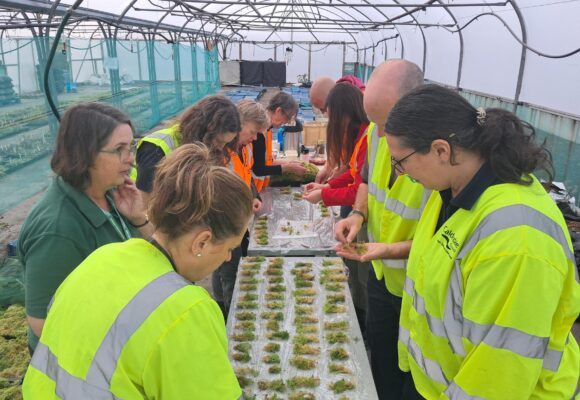
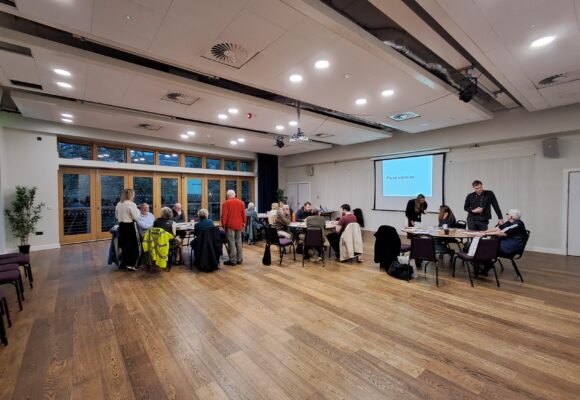
On 9 and 10 July, a two-day crayfish survey was carried on the River Calder at Luddenden Brook, Jerusalem Farm to monitor populations of the native, white-clawed crayfish (Austropotamobius pallipes), the UK’s only native freshwater crayfish. On the afternoon of 9 July, surveyors searched suitable habitat by hand and set monitoring traps. On 10 July, the traps were checked and emptied, findings were recorded, and biosecurity measures were followed before further hand-search surveys and habitat assessments were undertaken.
Why is the species under threat?
The white-clawed crayfish faces significant pressure from the invasive North American signal crayfish (Pacifastacus leniusculus). Signal crayfish carry crayfish plague, a disease that is largely harmless to them but often fatal to native crayfish. They also outcompete white-clawed crayfish for food and shelter and reproduce more quickly. The disease can also be spread between waterways on boots, clothing, fishing gear and equipment, making strict biosecurity measures essential.
Why is Luddenden Brook Important?
Luddenden Brook at Jerusalem Farm is one of Calderdale’s most important sites for freshwater wildlife. It contains a vital population of white-clawed crayfish in West Yorkshire and has been designated a Local Wildlife Site in recognition of its conservation value and the need to protect this rare species and its habitat.
Why survey Crayfish?
White-clawed crayfish are an important part of healthy river ecosystems, helping to break down organic matter and maintain water quality. Regular surveys provide vital information on population health, habitat condition and the presence of threats, helping conservation organisations target protection and recovery efforts.
Protecting the White-Clawed Crayfish
Calderdale Council, the Environment Agency, Natural England, Yorkshire Wildlife Trust, Yorkshire Crayfish Forum and JBA Consulting are working together to protect the species by safeguarding important habitats, promoting the ‘Check, Clean, Dry’ biosecurity campaign, and identifying potential ‘ark sites’ where native crayfish could be reintroduced away from invasive signal crayfish populations.
A wider conservation story
The white-clawed crayfish highlights the challenges facing biodiversity in Calderdale. Its decline demonstrates how invasive species, disease, habitat protection and river management are closely linked, making collaborative conservation action essential to securing the future of this iconic native species.
Watch a video of volunteers looking for white-clawed crayfish:
Watch a slideshow of photos from the event: