Create a
Flood Kit

Put together a kit of essential items you’ll need to hand when it floods. These packs will vary depending on your circumstances, but basic essential items remain the same.

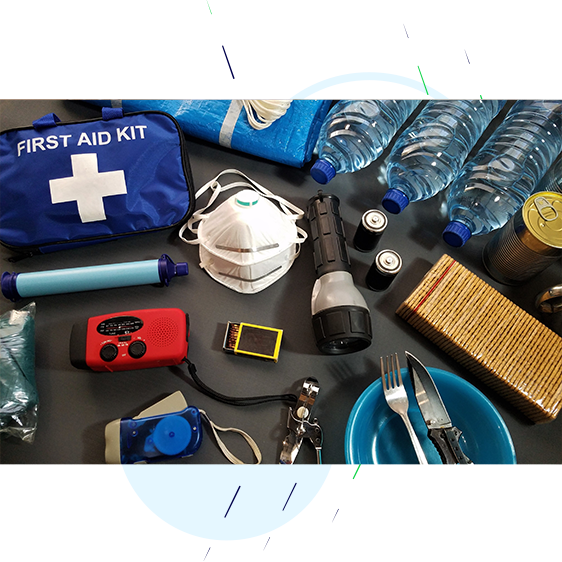
Contents of a flood pack including, a torch, a battery operated radio, knife and fork, bottled water, tinned food and a first aid kit.

These essentials cover scenarios where you may need to evacuate your home, or remain there without power. Understand your flood risk and create your own plan. Store your supplies above potential flood levels in an easy-to-reach spot. Make sure evacuation items are lightweight and quick to move with your family.
Flood Kit Essentials

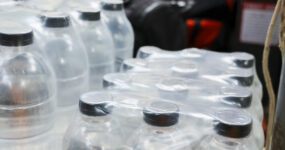
Aim for 4 litres (8 pints) of water per person per day, for at least 3 days. Store it in sturdy plastic bottles, such as soft drink containers. Avoid glass or milk cartons, which can break or leak over time.

Clear plastic water bottle package wrapped for safe hydration. Bulk pack provides reliable storage for emergency drink supply, giving feeling of secure preparation and essential daily readiness


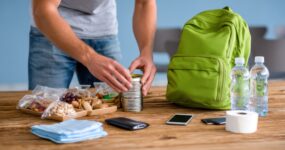
Pack non-perishable foods with long shelf lives that require minimal prep and no refrigeration. Easy choices include tinned goods, cereal bars, and instant noodles or mash.

Hands are placing a metal can into a green backpack on a table full of emergency supplies like food, water, and personal items.


Power outages can disable cash machines and card readers. Keep small notes and coins on hand so you can still buy essential supplies, food, and transport when card payments fail.

Person holding a small amount of scattered metal coins in an open palm.

A mobile phone is vital during an emergency to receive flood warnings, call emergency services, and let loved ones know you are safe. Keep your device charged and store a portable power bank in your kit.

Person holding a smart phone and points towards it


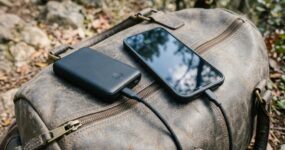
Flooding frequently disrupts power lines and communications. Charge your mobile devices ahead of time and keep a backup battery pack ready so you never lose access to emergency alerts.

A portable power bank charges a black smartphone resting on top of a packed emergency bag, illustrating the importance of staying connected and powered during emergencies such as flooding.


Store a printed copy of your emergency plan directly in your kit. Clear, step-by-step instructions help everyone act fast and stay safe without searching for details during a crisis.

Flood Plan list with tick boxes

Keep copies of your ID in your kit. Having identification ready speeds up access to emergency support and makes dealing with insurers, landlords, and local authorities much easier after a flood.

Black passport.

Power cuts are common during floods. Keep a torch and spare batteries in your kit to navigate safely in the dark, avoid hidden hazards, and signal your location to emergency services.

Black flashlight isolated on white background

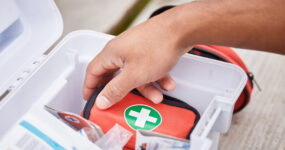
Pharmacies may close during a flood. Keep essential health supplies together in your kit, including prescription medicines, spare glasses or hearing aids, hand sanitiser, and a first aid kit.

High angle shot of a male looking in his first aid kit.

Pack spare warm clothes, waterproofs, and blankets in sealed plastic bags. Blankets provide instant warmth if heating fails or if you need to stay in an emergency shelter. Staying warm and dry is essential to maintain your body heat and protect your health.

Pile of blankets stacked on wooden surface. Assorted colors include red, blue, green orange. Soft fabric layers offer warmth and comfort. Perfect for emergency use.

Keep paper copies of important phone numbers and insurance documents in a waterproof bag. Having physical records ensures you can call family, utility companies, or your insurer even if your phone is lost, damaged, or out of battery.

Black and white illustration of a spiral-bound notebook with an icon of a telephone handset inside the open pages.

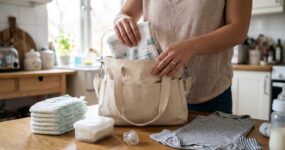
Pack at least three days of supplies for babies, children, and pets. Include extra clothes, nappies, wipes, and feeding equipment for little ones, plus food, bowls, a spare lead, and a carrier for pets.

Person packing a canvas changing bag with baby essentials, including nappies, baby wipes, a muslin cloth, a striped baby bodysuit, a dummy and a milk bottle.

Non-essentials

Prioritising keepsakes in a hurry is difficult. Protect your precious belongings ahead of time by storing them permanently upstairs or on high shelves. That way, your valuables stay safe and you can grab your emergency kit and evacuate fast.

Things you can do without

A games console is not an essential item during an evacuation. Power cuts are common during storms and flooding, so electronic devices may not be usable. Space is limited, so only pack essential items.

Focus on packing essential health and wellbeing items, such as medication, period products, glasses, contact lenses and hand sanitiser. Make-up is not considered an essential item. Keep your bag as light as possible and prioritise necessities.

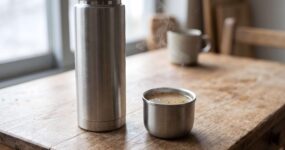
Although a flask may seem useful in cold weather, flooding in Calderdale can happen very quickly following heavy rainfall. It is important to follow your flood plan and evacuate as soon as possible when advised. To help you leave quickly and safely, only take essential items with you.

Back to the Top
arrow arrow
Website Feedback Your Opinion Matters Thank you for submitting your feedback
arrow

Have you found what you were looking for on our site today?

Yes, thank you
No, unfortunately not
I’m not sure, I’m still looking

Would you be willing to share a bit more detail about your site experience today? It will only take a few minutes of your time.

Yes please
No thank you

This will help us to make future improvements to our website to help you find the information that you need quickly and efficiently.

Skip to content