The water companies are responsible for the foul sewerage system, and the surface water sewerage system if it has been adopted. They do not have responsibility for any other watercourses or land drainage systems.
If floodwater has been contaminated, a filthy layer of silt is usually left behind when the water recedes. Contamination can add to the cost of cleaning and disinfecting buildings that have been flooded and it also poses risks to health. Protective clothing should be worn while cleaning after the flood, and other hygiene precautions should also be taken.
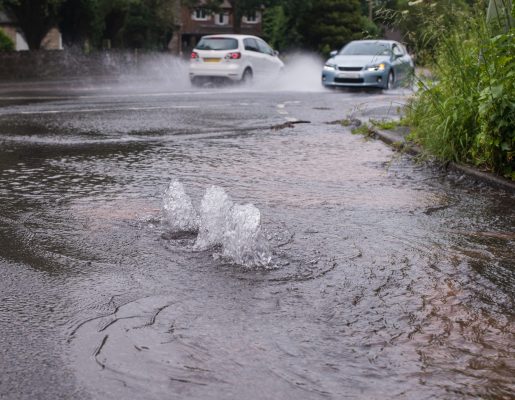
General flooding can create blockages in drains and sewers, and this can lead to the backflow of sewage into properties through low-level drain gullies, toilets and washing machine/dishwasher outlets. Backflow through drains is particularly likely where floodwater has been prevented from entering the property by using temporary barriers. It is also more likely where the flooding depth outside is higher than the internal level of the drain entry points. This flooding can often be effectively controlled by installing ‘non-return valves’ within the private sewer of a property upstream of the public sewerage system.
Some properties have private sewage systems and flooding of these systems can also create a back-up of sewage into the property. Damaged septic tanks, cesspools or small package sewage systems should be inspected by a qualified engineer before the drainage system is used after a flood.