What you should do after a flood
+
DO
What not to do after a flood
+
DON'T
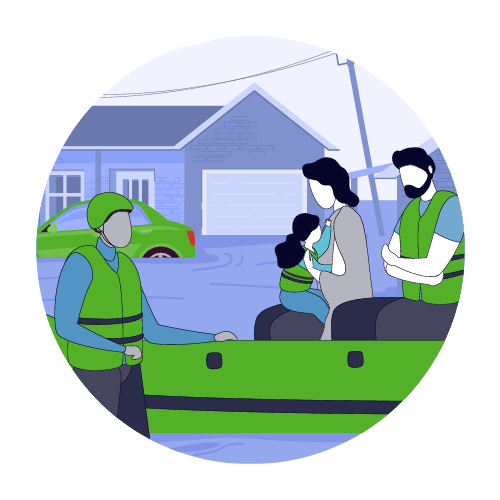
Flooding advice for the public includes how to prepare before a flood, what to do during a flood, and how to recover and clean up afterward.
Damp living conditions and mould can make otherwise healthy people unwell, but this can be much worse for people with immunosuppression and those with long term respiratory conditions, like asthma. It is advisable for such people to stay away from areas that are affected.
For more advice on cleaning up flooded premises safely Public Health England and the Environment Agency have also issued the following guidance: Flooding: health guidance and advice.
If you need to get in touch with Calderdale Council’s adult social care team please call 01422 393000 between 8.45am and 5.30pm Monday – Thursday, and 8.45am to 5.00pm on Fridays.
Outside these times, if there is an emergency, please call the Emergency Duty Team on 01422 288000.

Distress is a common reaction for people following a flood. However, this is usually temporary, and most people cope with being flooded despite being distressed by it. If symptoms persist, there are some local services that can help:
There are also some national services:


Have you found what you were looking for on our site today?
Would you be willing to share a bit more detail about your site experience today? It will only take a few minutes of your time.
This will help us to make future improvements to our website to help you find the information that you need quickly and efficiently.