This year, Invasive Non-Native Species (INNS) week will take place between 22nd and 28th June. It is an annual initiative that aims to raise awareness about invasive non-native species (INNS) and promote actions to prevent their spread.
What are invasive species and why do they matter in Calderdale?
Invasive Non-Native Species (INNS) are plants and animals that have been introduced to the UK by human activity, often by accident. Along rivers and slopes, they can disrupt natural processes and change how water flows through the landscape.
Healthy riverbanks and floodplains work like natural defences. Native plants slow runoff, stabilise soil, and absorb rainfall. Invasive species often do the opposite. Some out compete native vegetation and die back in winter, leaving bare earth just when heavy rain is most likely. Others burrow into riverbanks, weakening them and increasing erosion. The result is faster water flow, more sediment in rivers, blocked channels, and higher flood risk downstream.
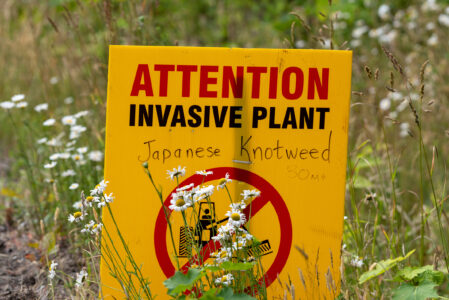
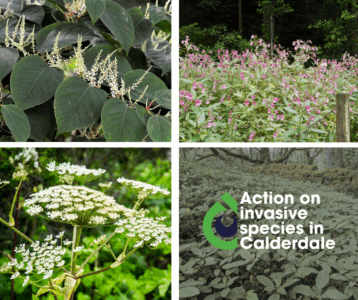
In Calderdale, species such as Himalayan Balsam, Japanese Knotweed, Signal Crayfish, and Giant Hogweed are more than an ecological problem. They damage riverbanks, infrastructure, wildlife, and, ultimately, our resilience to flooding.
This blog post on the Slow the Flow website highlights valuable insights from the National Trust on how INNS can contribute to increased flood risk.
Take the new INNS quiz
Think you know your Himalayan Balsam from your Japanese Knotweed? Our quick quiz takes just 2–3 minutes and explores how invasive species spread, why they’re so damaging, and what you can do to help.
Volunteer
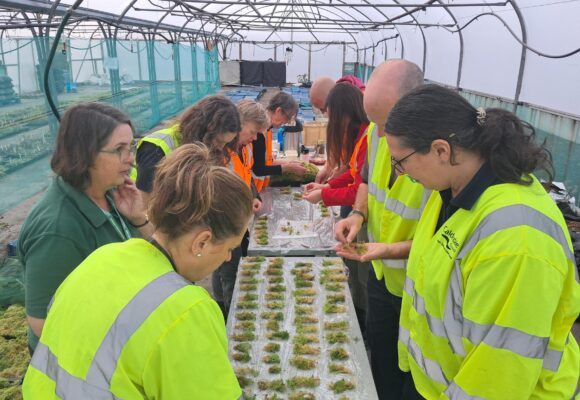
Help Rooting 4 Change restore biodiversity to Rawtonstall Wood by tackling invasive Himalayan Balsam on Wednesdays and Thursdays. It’s easy, tool-free work in a stunning setting, perfect for a few hours or a full day of rewarding community action!
Balsam bashing at Rawtonstall Wood.
The National Trust at Hardcastle Craggs are looking for a small group of volunteers to join their Grassland Management team on Fridays between May – September.
Grassland management volunteer.
The Calder Conservation Group CIC regularly carry out INNS removal work. Follow their Facebook page for the latest information.
Be vigilant when out and about
- Stop the spread: Whenever you’re out in the countryside, remember to Check, Clean, Dry to help stop the spread of invasive plants and animals on land and in water. Yorkshire Water has installed dedicated boot cleaning stations at reservoirs across Calderdale and the surrounding area to help prevent the spread of non-native species and reduce the risk of human-driven contamination. Boot scrubs are available at the following locations: Baitings, Ryburn, Withens Clough, Jerusalem Farm and Scammonden Reservoirs.
- Report sightings: The most impactful way you can help is by reporting sightings of invasive species on the INNS Mapper app and website. This is especially important for Japanese knotweed and Giant hogweed, as they require professional treatment and should not be removed by individuals. This blog post on the Slow the Flow website shares useful information from the Environment Agency on reporting INNS.
- Love thy crayfish! Our white-clawed crayfish are the UK’s only native crayfish species – and they’re fighting for survival. But there’s something simple we can all do to help protect them. Watch this video from the Yorkshire Wildlife Trust to learn more.
Do your research
The NNSS (GB Non‑Native Species Secretariat) website is a trusted source of clear, reliable information to help you improve your understanding of invasive non‑native species.