Norland Moor – Protecting nature and slowing the flow

Norland Moor, a cherished Local Nature Reserve and the last expanse of open moorland in the area, has recently seen a series of targeted interventions aimed at tackling flooding and erosion.

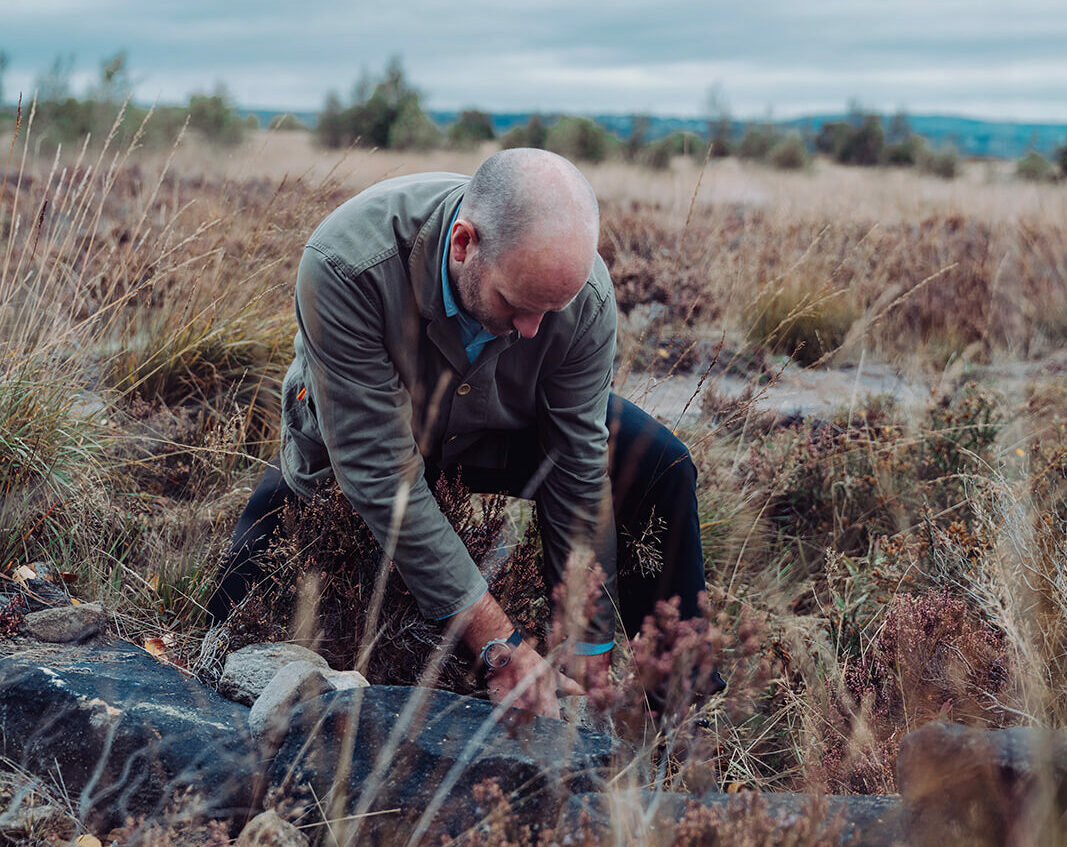
CMBC Project Engineer undertaking some basic maintenance of a stone dam

Norland Moor, a cherished Local Nature Reserve and the last expanse of open moorland in the area, has recently seen a series of targeted interventions aimed at tackling flooding and erosion. With heavy footfall, increasing storm activity and decades of changing land use, managing water flow across the moor has become increasingly challenging. Water previously rushed down footpaths during storms, accelerating erosion and bypassing the natural landscape.
To address this, Calderdale council’s Countryside Team implemented a Natural Flood Management (NFM) project with a Priority Actions Grant, funded by the Environment Agency. The project focused on slowing the movement of surface water and reducing erosion by directing flow back onto the moorland.

Leaky Dam at Annabut Lee Farm. A small natural flood management feature with a log placed across a shallow stream, creating a pool surrounded by grass and vegetation.

On-the-ground action: key interventions included:

  • 30 leaky dams: Constructed from stone, timber, and heather bales to slow and dissipate water in ditches and watercourses.
  • 3 large heather bale bunds: Installed on slopes to intercept water and reduce runoff, covering approx. 75 metres.
  • 14 Yorkshire stone ‘turn-byes’: cross path deflectors used to direct water onto moorland, helping slow flow and prevent erosion.
  • 25 aggregate water bars: Spanning around 100 metres, these control surface water movement across paths and slopes.
  • Surface water attenuation feature: Built using local stone to temporarily capture and control water flow, reducing the volume and velocity of the water travelling across the moor.
  • 130 metres of stone flag walkways: Installed to protect peat areas, reduce erosion, and support vegetation recovery.

A report by JBA Consulting helped identify key water pathways and guided the placement of these features. Public engagement was also a priority, with new notice boards and interpretation panels installed to raise awareness of the project and its environmental benefits.

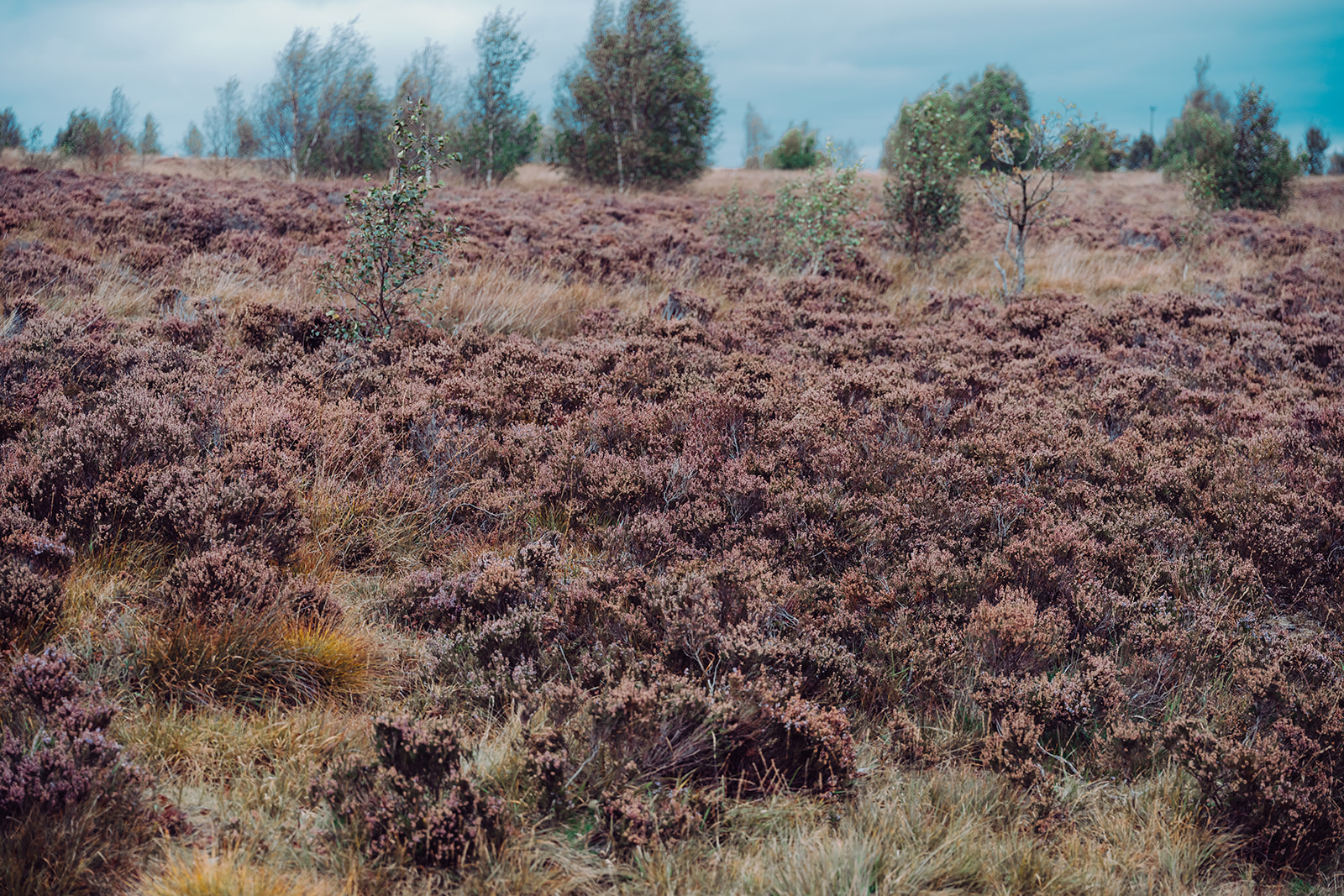
Norland Moor landscape with heather and trees.

Challenges and considerations

Project delivery was limited to dry spells to avoid damage to the sensitive peatland and to comply with regulations protecting ground-nesting birds. The remote and uneven terrain of the moor also posed logistical challenges, increasing the time and cost required to move materials and complete the work.
Despite these obstacles, the project stands as a strong example of how nature-based solutions can help mitigate flooding, protect local ecosystems, and preserve valuable open spaces for public enjoyment and wildlife conservation.
Further moorland restoration work is now being planned for Norland moor. Sign up for the Calderdale Flood Newsletter by selecting ‘Flood recover & resilience’ from the list.

Back to the Top
arrow arrow
Website Feedback Your Opinion Matters Thank you for submitting your feedback
arrow

Have you found what you were looking for on our site today?

Yes, thank you
No, unfortunately not
I’m not sure, I’m still looking

Would you be willing to share a bit more detail about your site experience today? It will only take a few minutes of your time.

Yes please
No thank you

This will help us to make future improvements to our website to help you find the information that you need quickly and efficiently.

Skip to content